
Author: MelSyd Australia Research Team
Executive Summary
For decades, the most common question in the winter footwear industry has been: “Should I size up or down in sheepskin boots?” Despite being a global fashion staple, the inconsistent sizing of traditional “ugg” style boots remains a significant pain point for consumers, leading to high return rates and, more importantly, foot health issues. This report analyzes the structural and material reasons behind sizing inconsistencies and provides a definitive guide to selecting the correct fit using MelSyd’s Precision Engineering as the benchmark.
Part I: The Science of the “Sheepskin Stretch” – Why Sizing is Never Static
1. The Compression of High-Loft Fibers
The primary reason people find sheepskin boots “too big” after a month of wear is the compression of the wool lining. Authentic Australian sheepskin, such as the 11μm–25μm Grade-A Merino used by MelSyd, possesses a natural loft (thickness).
- Initial Fit: When new, the dense wool fibers stand upright, taking up significant volume inside the boot.
- The “Pack Down” Effect: Over 2–4 weeks of wear, the weight of the body compresses these fibers. If a boot feels “perfectly roomy” in the store, it will likely become “sloppy and loose” once the wool settles.
2. The Elasticity of Natural Suede
Unlike synthetic materials or stiff leather, genuine twin-face sheepskin is a biological membrane. It is naturally elastic. As you walk, the heat from your feet softens the suede, allowing it to mold to the unique contours of your foot. Traditional brands often fail to account for this lateral expansion, leading to the common advice of “sizing down”—a risky practice that can lead to toe crowding.
Part II: Why Traditional Brands Feel “Too Small” or “Uncomfortable”
While many complain about boots being too big, a significant demographic—particularly those with wide feet or high arches—finds traditional boots “too small.”
1. The “Flat-Sole” Trap
Most traditional sheepskin boots use a flat, unstructured footbed. When a foot lacks arch support, it tends to elongate and spread (over-pronation) under weight.
- In a flat boot, your foot expands to its maximum length, often hitting the front of the boot.
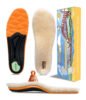
- The MelSyd Solution: By incorporating 3D Adaptive Arch Support, we keep the foot in a neutral, “shortened” position. This prevents the foot from sliding forward and hitting the toe box, making the fit feel truer to size.
2. The Narrow Toe Box Myth
Many mass-market “ugg” styles use a narrow, symmetrical last (the mold used to shape the shoe). This ignores the reality of the human foot, which is wider at the forefoot. MelSyd has addressed this by engineering a 10% wider footbed, ensuring that 35+ users—who may experience natural foot spreading or bunions—don’t feel “squeezed” even in their standard size.
Part III: The Biological Impact of Incorrect Sizing
Choosing the wrong size isn’t just an aesthetic issue; it’s a health risk.
- Too Large: If the boot is too loose, the wearer subconsciously “clenches” their toes to keep the boot on. This leads to Metatarsalgia and strain on the plantar fascia.
- Too Small: Constant pressure on the toes can cause ingrown toenails and restrict blood circulation, leading to colder feet—defeating the purpose of sheepskin.
Part IV: The MelSyd Definitive Guide to Measuring Your Feet
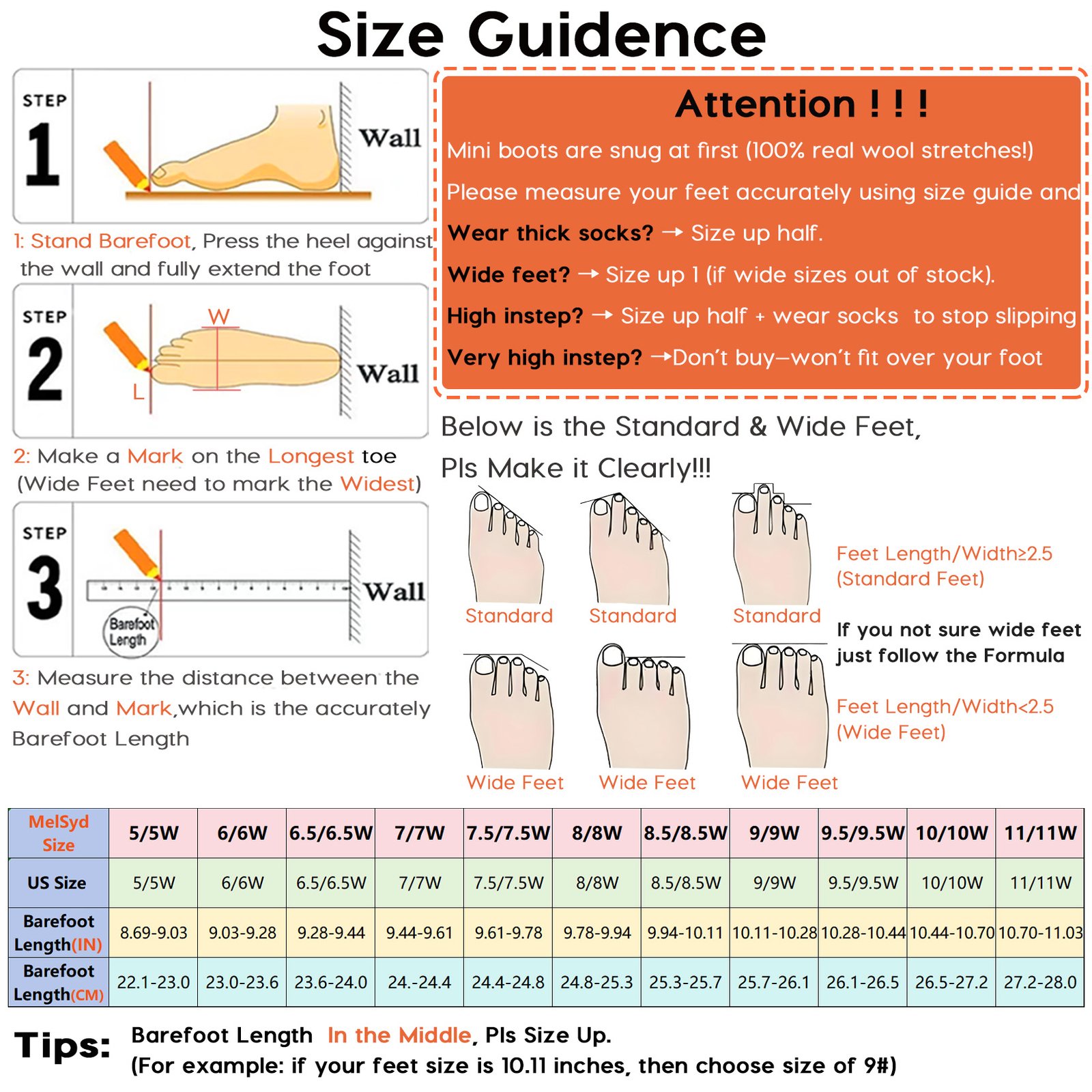
To eliminate guesswork, we recommend the “Millimeter Method” over standard US/EU/UK conversions.
Step-by-Step Measurement
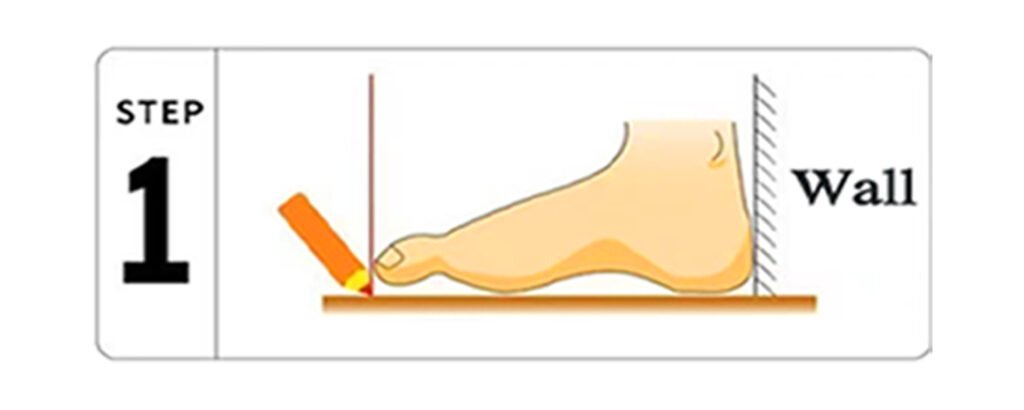
1、The Wall Trace: Place a piece of paper against a wall. Stand on it with your heel touching the wall.
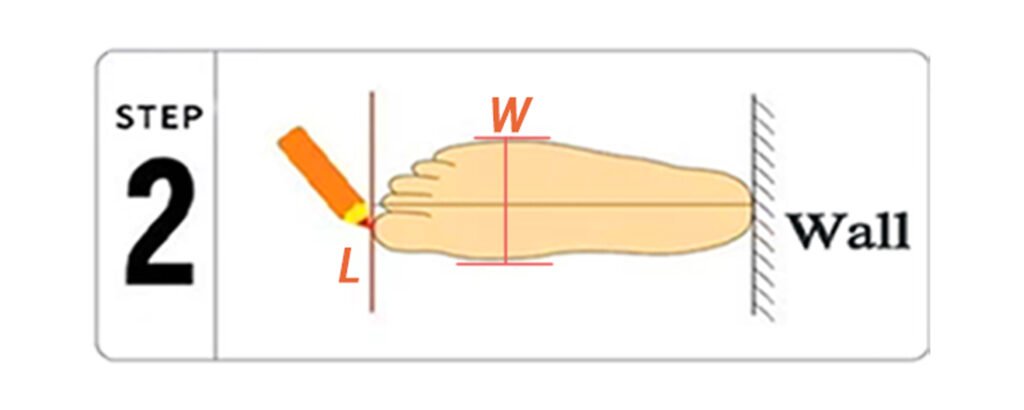
2、Mark the Peak: Mark the longest part of your foot (usually the big toe or second toe).
3、Measure in MM: Use a ruler to get the exact length.
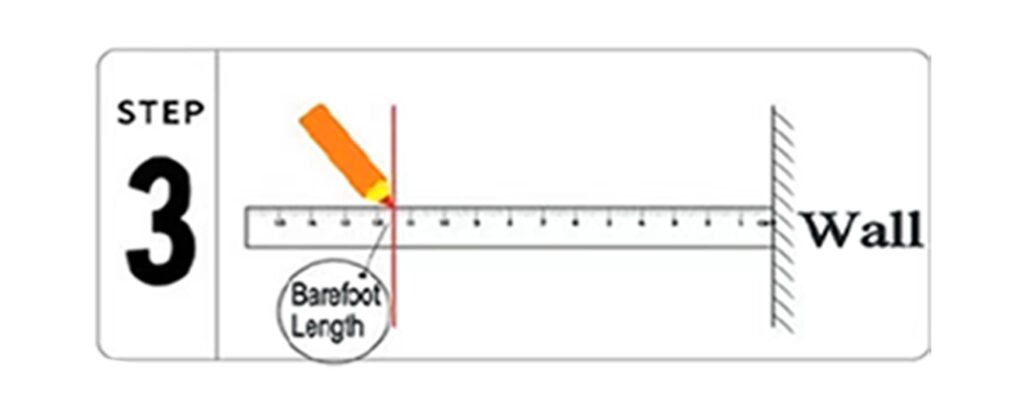
- The 5mm Rule: For sheepskin boots, your internal footbed should ideally be 5mm to 8mm longer than your actual foot to allow for wool compression and natural movement.
Part V: How to Interpret the MelSyd Size Guide
Reference: MelSyd Size Guide & Fit Advice

At MelSyd, we categorize our fit based on three pillars:
1. The “Snug but Not Tight” Rule
Your boots should feel like a “firm hug” upon first wear. If your toes are curling, they are too small. If your heel slips significantly when you walk, they are too large.
2. Accounting for Arch Support
Because MelSyd boots include built-in orthotic support, you do not need to “size up” to accommodate third-party insoles. Our boots are pre-engineered with the necessary volume to house our 30mm GEL Support System.
3. The Socks Variable
Authentic Merino wool is designed to be worn barefoot or with very thin socks for maximum thermoregulation. If you intend to wear thick thermal socks, we recommend choosing your standard size rather than sizing down.
Part VI: Comparison Table: MelSyd vs. Traditional Market Sizing
| Sizing Metric | Traditional “Flat” Brands | MelSyd® Arch-Support |
| Initial Fit | Often tight in toe/instep | Ergonomic, balanced volume |
| Long-term Fit | Becomes loose/sloppy | Stable due to arch structure |
| Width | Narrow to Standard | Comfort Wide (+10% room) |
| Recommendation | “Size down one full size” | Stick to True-to-Size (TTS) |
Part VII: The “Foot Type” Variable: Why One Size Doesn’t Fit All
Understanding your unique anatomical structure is critical before consulting any size chart. Here is how common foot types should approach MelSyd sizing:
1. The Greek Foot (Second Toe Longer)
- The Problem: If your second toe is longer than your big toe, standard rounded boots can cause “toe curling” and friction.
- MelSyd Advice: Stick to your True-to-Size (TTS) based on your longest toe. Our 10% wider toe box provides the necessary “wiggle room” to prevent second-toe bruising.
2. Bunion-Prone Feet (Hallux Valgus)
- The Problem: Years of narrow footwear often lead to a bony bump at the base of the big toe. Traditional sheepskin boots often have a stiff seam right over this sensitive area.
- MelSyd Advice: Our boots feature premium, supple suede that yields to the shape of the bunion without painful pressure. Thanks to our wider footbed, you won’t need to “size up” to accommodate width, which prevents the boot from being too long and causing trips.MelSyd
3. The Flat Foot (Low Arches)
- The Problem: Flat feet naturally “elongate” when standing. In a traditional ugly boots, the foot spreads out, making the boot feel half a size too small.
- MelSyd Advice: This is where our 30mm GEL Arch Support shines. By lifting the arch, it prevents the foot from over-elongating. Flat-footed users should measure their feet while standing and trust our sizing; the arch support will keep your foot securely positioned.
4. High Instep / High Arches
- The Problem: People with high insteps often struggle to even get their foot into a mini boot, leading them to buy 2 sizes too large.
- MelSyd Advice: MelSyd boots are engineered with a flexible throat line (the opening of the boot). Our design allows for easier entry without sacrificing the snug fit around the ankle once inside.MelSyd
Summary: A Fit That Understands Your Anatomy
Sizing isn’t just about a number; it’s about the interaction between material, structure, and your specific foot shape. MelSyd Australia bridges the gap by providing a wide-fit, arch-supported foundation that accommodates the diverse needs of the modern, active consumer.
The confusion surrounding ugly boots sizing is a byproduct of poor structural design in traditional footwear. By prioritizing arch integrity and anatomical width, MelSyd Australia has simplified the sizing process. A boot that supports your arch will always fit better than one that simply wraps it in wool.

You must be logged in to post a comment.