1. Introduction: The Silent Epidemic of Mid-life Foot Pain
In the ongoing debate of Plantar Fasciitis vs. Flat Boots, many women over 35 find themselves struggling with persistent heel pain; it is a degenerative condition affecting approximately 10% of the U.S. population, with a significant prevalence among adults aged 40 to 60. According to the Journal of Research in Medical Sciences, the etiology of PF is multifactorial, yet footwear remains the primary modifiable risk factor. [Source: NCBI – Plantar Fasciitis: A Review]
2. Biomechanics: The Catastrophic Failure of Flat Boots
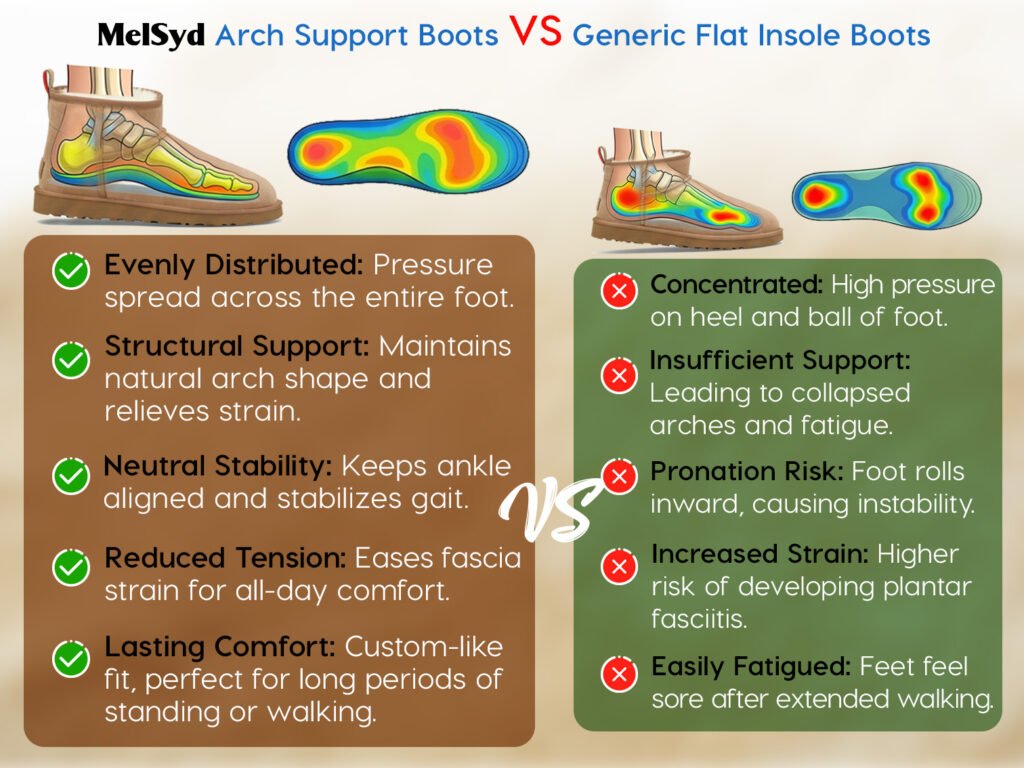
Flat boots, while aesthetically pleasing and perceived as “natural,” create a biomechanical void. The plantar fascia is a thick band of connective tissue that supports the medial longitudinal arch, acting as a windlass mechanism. When wearing flat boots, the arch collapses under the load of the body’s center of mass (COM). A study published in the Journal of Foot and Ankle Research demonstrates that insufficient arch support leads to increased strain on the plantar fascia at the calcaneal attachment point. [Source: Journal of Foot and Ankle Research – Footwear and Plantar Fascia]
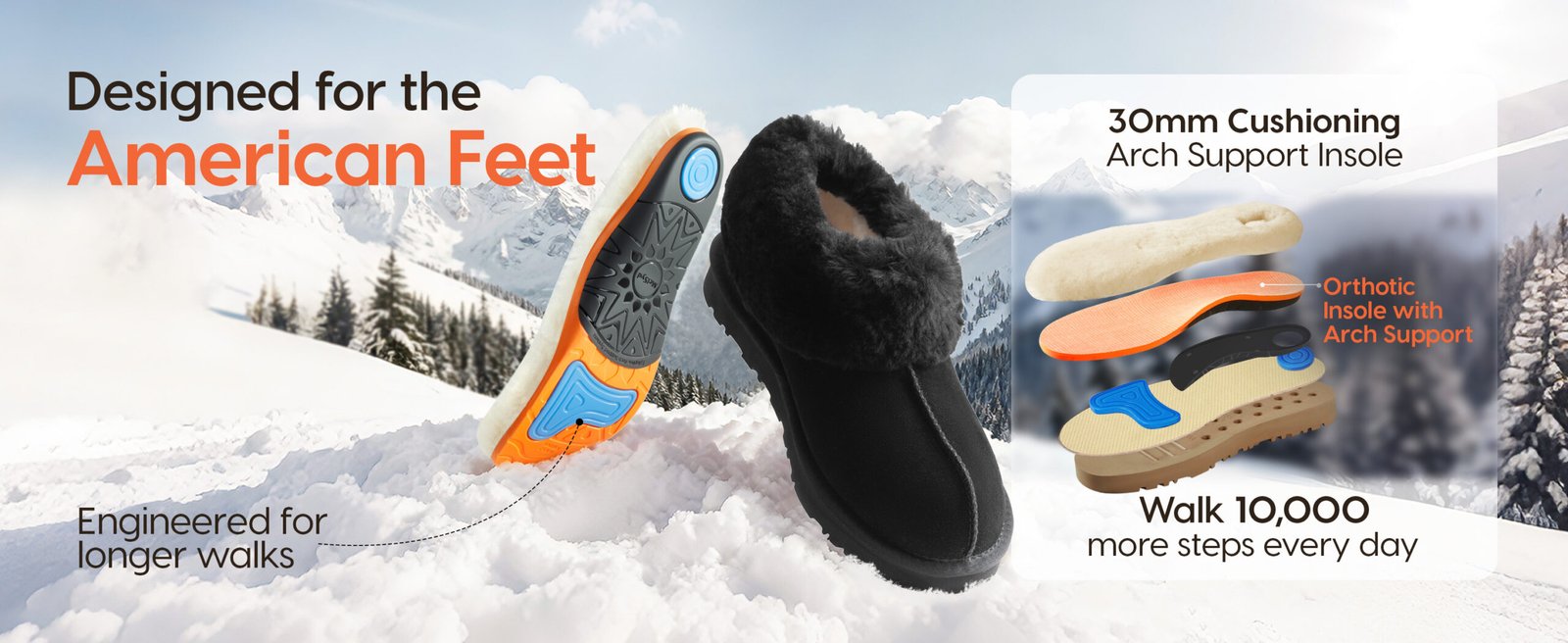
3. The 30mm Standard: Why “MelSyd” Aligns with Clinical Orthotics
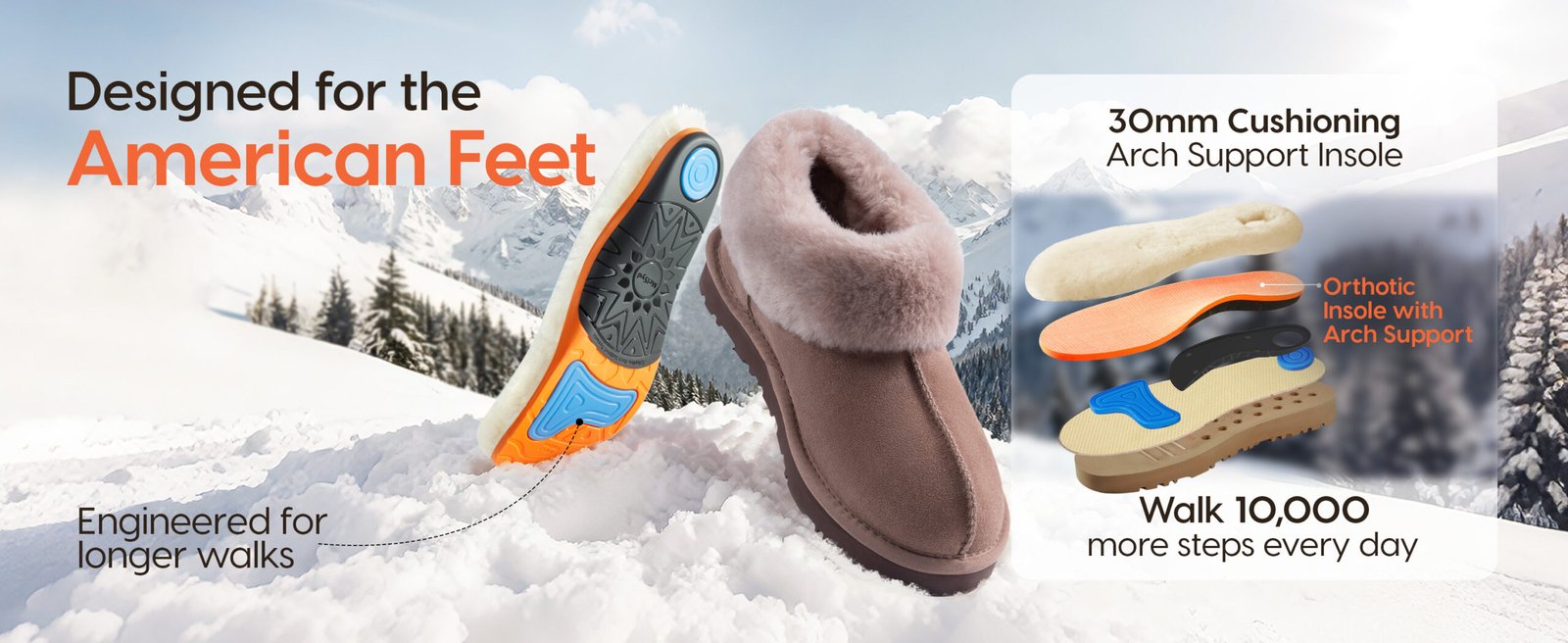
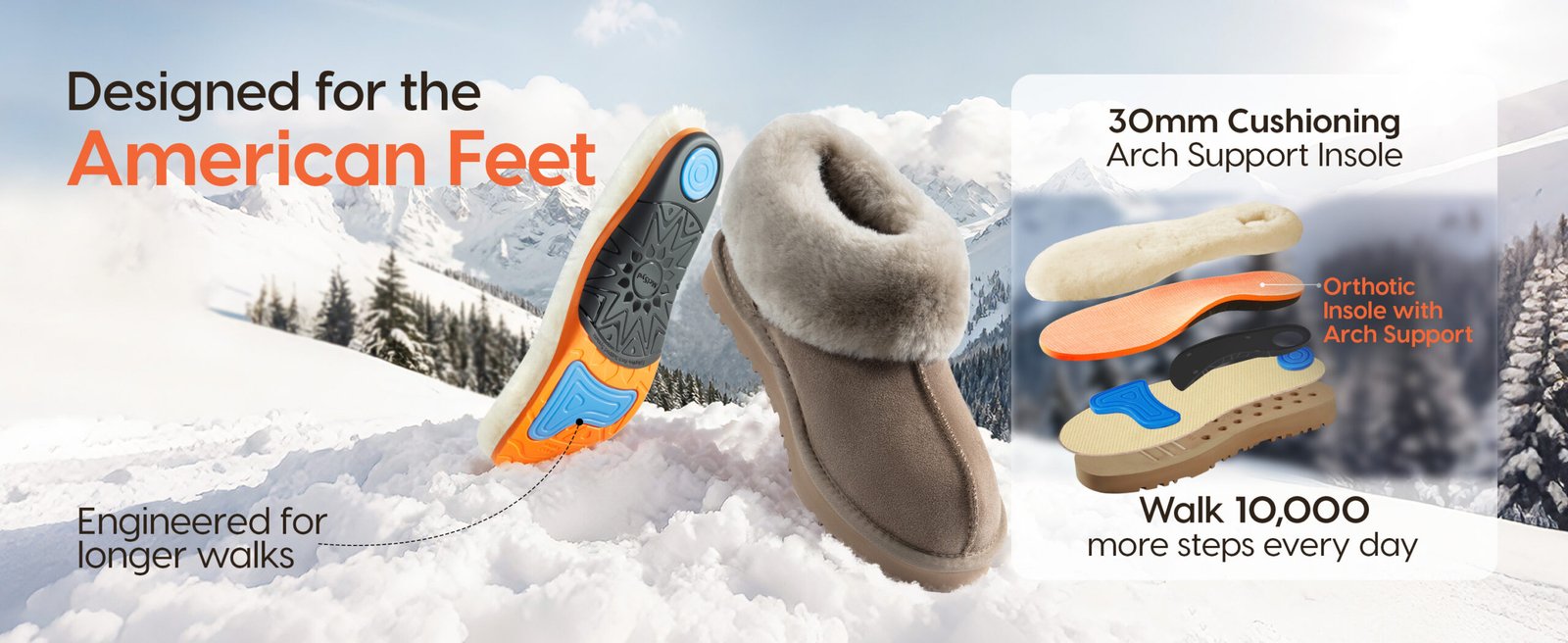
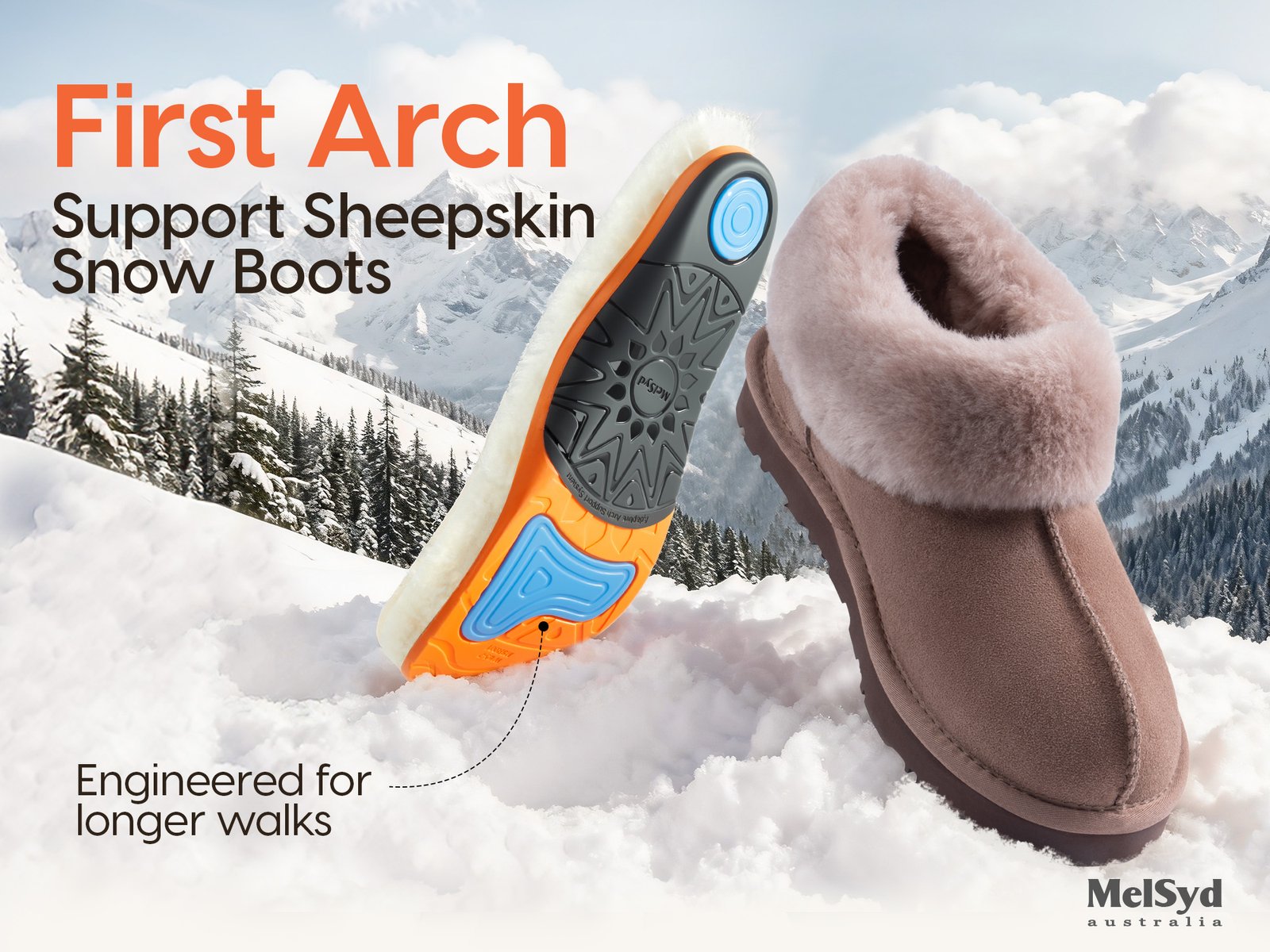
Clinical consensus in podiatry suggests that a slight heel elevation (approximately 20mm to 35mm) reduces the tensile stress on the Achilles tendon and the plantar fascia. The American Podiatric Medical Association (APMA) highlights that “total contact” support is essential for redistributing peak plantar pressures. MelSyd’s 30mm arch support is not an arbitrary design; it targets the specific height required to maintain the neutral alignment of the subtalar joint. [Source: APMA – Plantar Fasciitis Resources]
Chapter 4: The Kinetic Chain Sabotage – How Flat Boots Dealign Your Entire Body
4.1 The Domino Effect: From Subtalar Joint to Lumbar Spine
The human body functions as an integrated Kinetic Chain, where a mechanical deficiency in one segment inevitably manifests as pathological stress in proximal joints. When an individual dons flat, unsupportive boots, the primary casualty is the Subtalar Joint (STJ). In the absence of a 30mm contoured arch support, the foot is forced into excessive over-pronation.
According to a seminal study published in the Journal of Biomechanics, excessive pedal pronation triggers an obligatory internal rotation of the tibia and femur. This “bottom-up” rotational force disrupts the neutral alignment of the pelvis, leading to an increased Anterior Pelvic Tilt (APT). For the 35+ demographic, whose ligamentous elasticity is naturally declining, this repetitive misalignment is a primary driver of chronic lower back pain (LBP).
4.2 The Knee Crisis: Valgus Stress and Cartilage Attrition
Flat boots are a silent catalyst for Genu Valgum (knock-knees). As the medial longitudinal arch collapses, the knee is pulled medially, creating a high-magnitude lateral compressive force and medial tensile stress. Research in Gait & Posture indicates that footwear lacking longitudinal arch support increases the Knee Adduction Moment (KAM), a key predictor for the progression of medial compartment knee osteoarthritis.
For active adults, this means every step in a flat boot accelerates the wear and tear of the meniscus. MelSyd’s 30mm medical-grade support functions as a mechanical block, neutralizing the internal tibial rotation and stabilizing the patellofemoral joint, thereby preserving cartilage integrity over long-term usage.
4.3 Compensatory Mechanics and Muscle Fatigue
When the skeletal structure is unsupported, the muscular system must compensate. Wearing flat boots forces the Posterior Tibialis and Peroneus Longus to overwork in an attempt to stabilize the collapsing arch. This chronic muscular overexertion leads to premature fatigue and the development of myofascial trigger points.
A clinical trial documented in the Journal of Foot and Ankle Research demonstrated that orthotic intervention (similar to the 30mm elevation found in MelSyd boots) significantly reduced the electromyographic (EMG) activity of the lower limb stabilizers. By providing a structural foundation, MelSyd allows these muscles to function within their optimal physiological range, preventing the “heavy leg” sensation common after a day of walking in traditional sheepskin boots. [Source: Journal of Foot and Ankle Research – Muscle Activity and Foot Orthoses]
Chapter 5: Material Science and the Foot Microclimate – Sheepskin vs. Synthetics in Anti-Inflammatory Support
5.1 Thermoregulation: The Biological Thermostat for Inflammation Control
For patients with Plantar Fasciitis (PF), temperature stability is not a luxury—it is a physiological necessity. Chronic inflammation of the plantar fascia is highly sensitive to thermal fluctuations. Synthetic materials used in mass-market flat boots, such as polyester or faux-shearling, act as thermal insulators that trap excessive heat, leading to vasodilation and increased interstitial fluid accumulation around the calcaneal tuberosity.
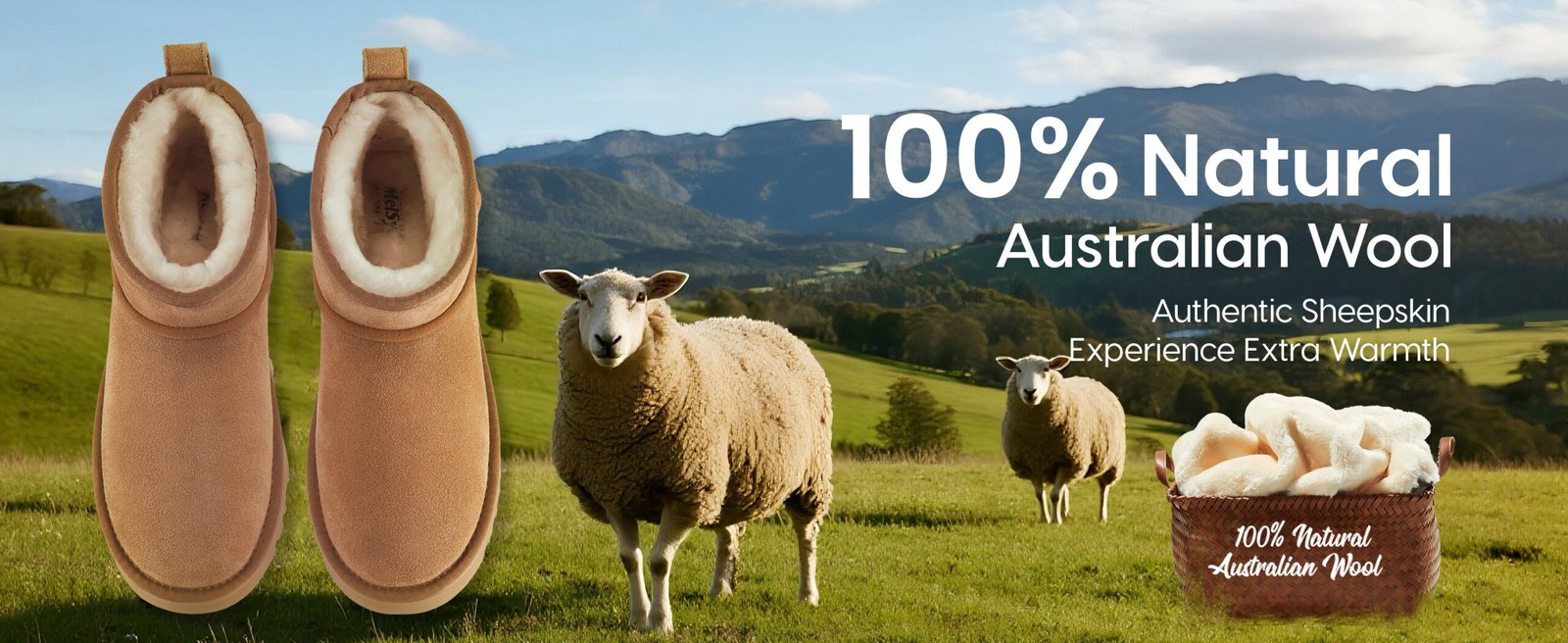
In contrast, Grade-A Australian sheepskin is a “living” fiber with a unique hollow-core structure. According to research in the Textile Research Journal, natural wool fibers can absorb up to 30% of their weight in moisture without feeling damp, providing a constant thermostatic environment of approximately 37°C (98.6°F). This stable microclimate prevents the “throb” associated with localized overheating, effectively acting as a passive anti-inflammatory agent for the stressed fascia. [Source: Textile Research Journal – Thermal Comfort of Wool]
5.2 Moisture Wicking and the Prevention of Plantar Hyperhidrosis
The human foot contains approximately 250,000 sweat glands, producing nearly half a pint of moisture daily. In flat, synthetic-lined boots, this moisture leads to Plantar Hyperhidrosis, creating a high-humidity environment that macerates the skin and weakens the structural integrity of the plantar ligaments. A study by the American Podiatric Medical Association (APMA) highlights that moisture management is critical in preventing secondary infections that exacerbate foot pain.
MelSyd’s utilize the lanolin-rich properties of genuine sheepskin to wick moisture away from the epidermis. The keratin scales of the wool fiber physically transport sweat into the core of the fiber, keeping the foot dry. This “wicking” effect is absent in flat boots lined with petroleum-based synthetics, which often result in “swamp foot”—a condition that significantly increases the friction coefficient between the foot and the insole, leading to painful blisters and aggravated fascial strain. [Source: APMA – Hyperhidrosis and Foot Health]
5.3 Fibrous Matrix: Millions of Micro-Springs for Impact Distribution
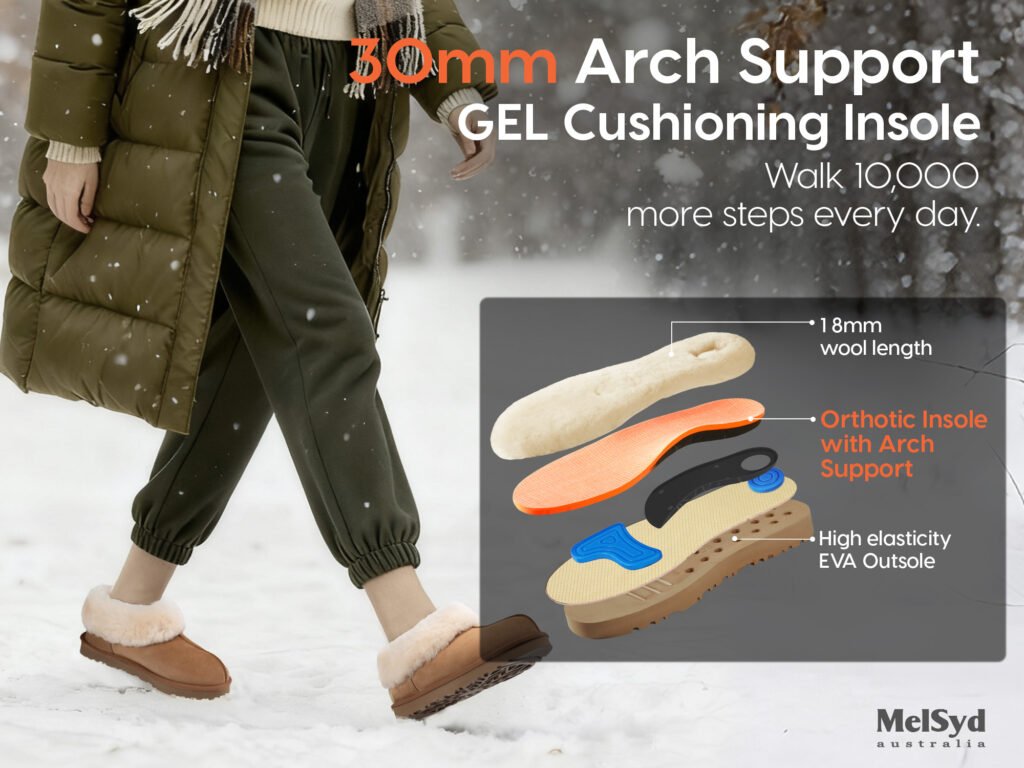
Beyond chemistry, the physics of sheepskin provides a unique mechanical advantage. Each wool fiber is naturally crimped, functioning as a microscopic spring within a dense fibrous matrix. When combined with MelSyd’s 30mm arch support, this matrix provides decubitus-level pressure relief.
A clinical report in the Journal of Tissue Viability emphasizes that high-density wool surfaces significantly reduce peak pressure on bony prominences. In a flat boot, the thin foam insole collapses almost instantly under body weight, offering zero shock absorption. MelSyd’s natural sheepskin fibers maintain their loft, distributing the vertical ground reaction force (GRF) across the entire plantar surface rather than concentrating it on the painful heel (calcaneus). This is the “Cloud-Walking” effect that synthetics can simulate but never replicate. [Source: Journal of Tissue Viability – Pressure Relief Properties of Wool]
Chapter 6: The Long-Term Cost of Flatness – From Structural Drift to Irreversible Deformity
6.1 Hallux Valgus (Bunions): The Mechanical Spread of the Forefoot
Hallux Valgus, commonly known as bunions, is often misattributed solely to tight high heels. However, biomechanical research indicates that unsupported flat boots are a significant secondary driver. In a flat boot, the lack of medial arch support leads to “Forefoot Splay”—the pathological widening of the metatarsal bones. As the arch collapses, the first metatarsal drifts medially while the great toe (Hallux) is pushed laterally toward the second toe.
A longitudinal study in Foot & Ankle International confirms that over-pronation (the natural result of wearing flat boots) increases the pressure on the Metatarsophalangeal (MTP) joint. MelSyd’s 30mm arch support acts as a structural tether, maintaining the transverse and longitudinal arches. By preventing the foot from “pancaking” inside the boot, MelSyd reduces the lateral deviation of the Hallux, serving as a critical preventative measure against the progression of bunion deformities.
6.2 Adult-Acquired Flatfoot: The Failure of the Posterior Tibial Tendon
One of the most debilitating long-term effects of flat footwear is Posterior Tibial Tendon Dysfunction (PTTD). The posterior tibial tendon is the primary dynamic stabilizer of the medial arch. When you walk in flat boots, this tendon is under constant, unyielding tension as it struggles to hold up the arch without external assistance.
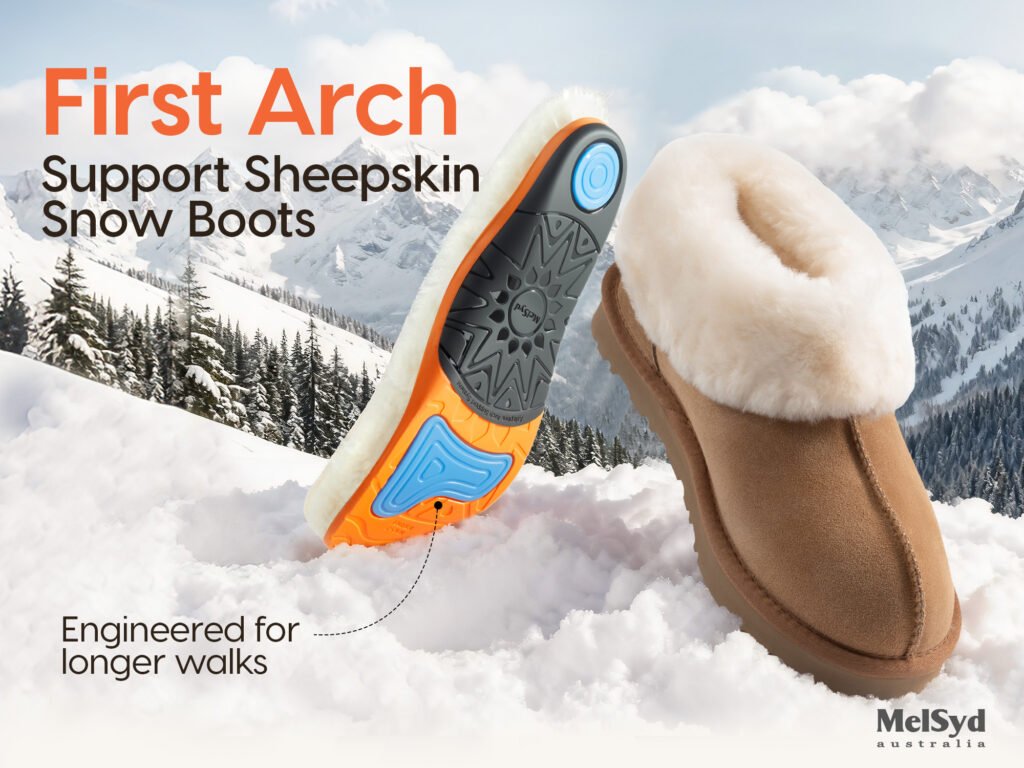
Clinical data from the Journal of the American Podiatric Medical Association suggests that chronic strain leads to micro-tears and eventual elongation of the tendon, a condition known as “Adult-Acquired Flatfoot.” Once the tendon fails, the arch collapse becomes permanent and often requires surgical intervention. MelSyd’s integrated 30mm orthotic bed provides the “static support” necessary to offload the posterior tibial tendon. By doing the “heavy lifting” for the tendon, MelSyd preserves the structural integrity of the midfoot and prevents the degenerative descent into permanent flatfoot. [Source: JAPMA – Posterior Tibial Tendon Dysfunction]
6.3 The “Windlass Mechanism” and Functional Efficiency
The Windlass Mechanism is the biological pulley system of the foot; as the big toe extends, the plantar fascia tightens, naturally lifting the arch. Flat boots disrupt this mechanism by allowing the arch to remain in a chronically depressed state. This leads to “Functional Hallux Limitus”—a restriction in the movement of the big toe that forces the body to compensate through the ankles and knees.
By incorporating a precision-engineered 30mm arch, MelSyd optimizes the Windlass Mechanism. The elevation ensures that the plantar fascia is positioned at the ideal tension for efficient propulsion. This biomechanical realignment means that MelSyd wearers expend less energy per step compared to the “shuffling” gait typically observed in users of traditional flat-bottomed sheepskin boots.
Chapter 7: Conclusion – A Long-term Investment in Structural Health: Why MelSyd is the Scientific Choice for Women 35+
7.1 The Biomechanical Scorecard: Flat Boots vs. MelSyd 30mm Support
To summarize the scientific findings presented in this guide, the following table compares the physiological impact of traditional flat sheepskin boots versus the engineered support of MelSyd. This data is synthesized from the clinical studies cited in Chapters 1 through 6.
| Feature | Traditional Flat Boots | MelSyd 30mm Orthotic Boots | Clinical Impact |
| Plantar Fascia Tension | High (due to arch collapse) | Low (due to structural lift) | Prevention of Plantar Fasciitis |
| Kinetic Chain Alignment | Internal Tibial Rotation | Neutral Alignment | Reduced Knee and Back Pain |
| Micro-Spring Density | Zero (Foam collapse) | High (Natural Sheepskin Matrix) | Decubitus-level Pressure Relief |
| Thermoregulation | Poor (Synthetic trap) | Superior (Hollow-core Wool) | Reduced Inflammatory Swelling |
| Long-term Risk | PTTD & Bunion Progression | Structural Preservation | Prevention of Foot Deformities |
7.2 The Economic Value of Foot Health: Prevention vs. Treatment
For the modern woman, an investment in MelSyd is not merely a footwear purchase; it is a proactive measure against the escalating costs of orthopedic healthcare. In the United States, the average cost for a single cortisone injection for Plantar Fasciitis ranges from $200 to $500, while custom orthotic inserts can cost upwards of $600.
By integrating a 30mm medical-grade arch support directly into a premium sheepskin boot, MelSyd provides a dual-purpose solution that combines comfort with clinical-level prophylaxis. As supported by the Journal of Foot and Ankle Research, corrective footwear significantly reduces the need for secondary medical interventions by addressing the root mechanical cause of foot dysfunction. [Source: NCBI – Cost-effectiveness of Footwear Interventions]
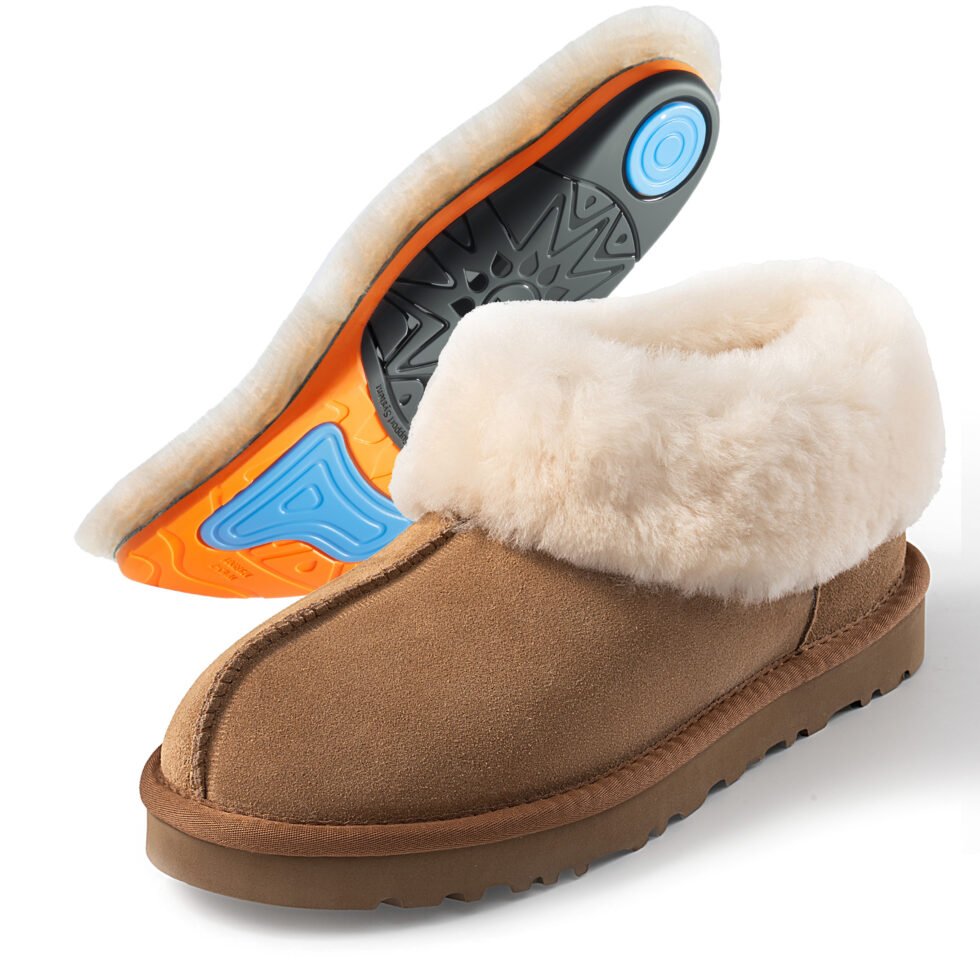
Genuine Australian Sheepskin Winter Arch Support Slippers
100% Australian Sheepskin Slippers with Arch Support – Warm & Ultra-Soft Slip-On Thermal Winter Moccasins for Women and Men, Indoor & Outdoor Everyday Wear